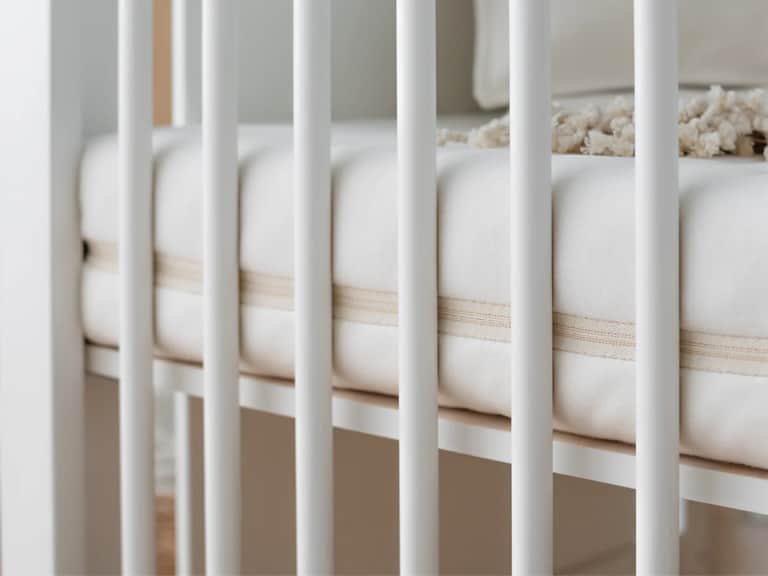
Crib mattresses are specifically designed to support infants and toddlers with a focus on safety, durability, and comfort. Key features include a firm, flat sleep surface to reduce the risk of suffocation and rolling, materials free from harmful chemicals, and appropriate firmness ratings that align with pediatric guidance. Understanding these elements helps caregivers select a mattress that promotes healthy sleep patterns and development.
When evaluating crib mattresses, consider core components such as support cores, lockable edge construction, and waterproof or wipe-clean covers. These attributes influence longevity, ease of maintenance, and resistance to moisture. Organic options often emphasize natural materials and minimized off-gassing, contributing to a healthier sleep environment for babies and sensitive sleepers.
Within the Obasan Organic Crib Mattress family, products prioritize natural, non-toxic layers and breathable designs. Features may include organic cotton fabrics, plant-based foams, and certified organic wool, all chosen to enhance airflow, regulate temperature, and provide a supportive yet gentle surface for growing infants while maintaining durability over time.
Functional benefits of a high-quality crib mattress extend to infant comfort, spinal alignment, and reduced exposure to allergens. Look for mattresses that offer cleanability, durability under frequent use, and compatibility with standard crib frames. A firm, resilient surface supports safe turning, rolling, and supervised tummy time as babies develop motor skills.
In educational contexts, bedding selections such as organic crib mattresses and related components—bedding, pillows, and sheets—play a role in creating a consistent, clean sleep environment. Understanding material certifications, care guidelines, and safety standards helps families make informed decisions without sacrificing comfort or practicality.
 Nursery