Comparing Natural Latex Mattresses: Materials, Comfort, and Longevity
A clear, evidence-based guide through the tactile world of natural latex mattresses, exploring what goes into a durable, comfortable sleep surface. We examine material purity, production processes (Dunlop vs. Talalay), and the lasting feel of top brands, while keeping the discussion accessible, unsensational, and grounded in sleep science.
The language of mattresses often drifts into marketing doublespeak—yet beneath the adjectives lies a set of concrete choices: the latex itself, the surrounding layers, the cover materials, and the way a bed responds to the body over time. Natural latex, prized for its responsiveness, resilience, and buoyant support, invites a nuanced conversation about what counts as truly “natural,” how certifications guide consumer trust, and what long-term durability looks like in a product that promises to cradle us for a decade or more.
To illuminate these questions, this article threads together material-conscious analysis, practical buying considerations, and thoughtful portraits of three figures whose ideas helped shape modern sleep science and mattress design across time.
Materials and Production: Dunlop vs. Talalay, Natural vs Blended, and Certifications
Latex core forms the heart of a natural latex mattress. The two dominant processes—Dunlop and Talalay—create subtly different textures and firmness profiles. Dunlop is a denser, single-fill process that yields a straightforward, durable core. Talalay introduces a padded, airier feel through a vertical sequence of frothing, pouring, vacuum sealing, and flash-freezing. The difference is felt in how the mattress responds: Dunlop often yields steadier support with a slightly firmer baseline; Talalay tends to offer more buoyant feel and more pronounced contouring.
When we talk about “natural latex,” we must distinguish from blended latex and synthetic variants. A true natural latex mattress uses rubber sap (often from Hevea brasiliensis trees) as its primary constituent, with minimal synthetic additives. Certifications matter here: global standards like GOTS, Oeko-Tex, and various country-specific programs can provide assurances about processing, chemical exposure, and environmental footprint.
The cover and comfort layers around the latex core influence the overall sleep experience. A wool or cotton blend cover can regulate temperature and moisture, while a thin spring or polyfoam layer beneath can impact edge support and overall bounce. The needle is honest here: durability is often a function of how the layers age together, not just the latex alone.
Among brands that frequently surface in informed discussions, Obasan, Naturepedic, and Vispring stand out for distinct approaches to latex: Obasan emphasizes organic materials and precise certification trails; Naturepedic blends organic cotton with non-toxic springs to preserve a clean, breathable surface; Vispring champions hand-tufted craftsmanship with a long lineage in traditional upholstery. Each offers a different pathway to a natural, resilient night’s rest.
As a practical guide for shoppers, consider questions about firmness and contouring (how the mattress supports shoulders, hips, and lower back in various sleep positions), the presence of a dedicated natural cover (chemical-free, breathable), durability expectations (how the latex compresses under load over years), and care requirements (rotation, spot cleaning, humidity control). The goal is a long-term, low-maintenance bed that sustains comfort without prematurely dipping into sag.
Brand-Focused Materials: Contrasts Across Obasan, Naturepedic, and Vispring
Obasan, Naturepedic, and Vispring each bring a distinct ethos to natural latex mattresses, combining bespoke materials with inherited craft traditions.
Obasan leans into organic integrity and transparent sourcing. Their latex cores are often Dunlop- or Talalay-processed with an emphasis on natural casings and certifications that reassure buyers seeking a cleaner sleep surface without compromise.
Naturepedic foregrounds a chemistry-light approach, stitching together organic cotton fabrics and wool to form a largely non-toxic ecosystem. Their latex cores are carefully paired with comfort layers designed to minimize off-gassing and to maintain a fresh, breathable top layer—an appealing proposition for sleepers who prize a pristine sleeping climate.
Vispring—steeped in a more traditional upholstery lineage—often blends modern latex with classic pocket-spring technology, delivering a mattress that supports the body through a more pronounced, structured edge and a luxurious, letter-perfect surface feel. The craftsmanship undergirds a sense of timeless quality, even as the latex core remains a modernist centerpiece.
Across these brands, the thread is the same: natural latex is not a monolith. It is a spectrum of purity, processing method, cover materials, and supportive architecture. Buyers who want the most durable, responsive bed should weigh the compatibility of the latex with their own sleep profile—their preferred firmness, position, and sensitivity to temperature—along with the certifications that demonstrate commitment to health and environmental standards.
Practical Buying Questions: How to Assess Firmness, Support, Duration, and Care
The bed-in-a-box era offers unprecedented convenience, but it can also complicate the question of long-term satisfaction. A latex mattress must deliver sustained support, even as it adapts to your body. Here is a compact checklist to guide thoughtful evaluation:
Firmness vs. support: A mattress can feel firm yet provide excellent support if the latex responds evenly to pressure and maintains alignment along the spine.
Density and durability: Higher density latex generally ages better, resisting compression and indentation. Look for data on ILD (Indentation Load Deflection) values and the expected lifespan.
Certifications: Seek latex that is Oeko-Tex, GOTS, or other credible certifications, and confirm that the product uses 100% natural latex or a clearly defined proportion of natural latex.
Cover materials: Natural cotton or wool covers can regulate temperature and wick moisture, contributing to comfort and longevity.
Edge support: Some latex mattresses incorporate thicker edge zones; consider whether you need robust edge support for seating or shared sleeping surfaces.
Care and rotation: Latex mattresses typically benefit from periodic rotation or flipping (if the design permits) to encourage even wear. Avoid exposing latex to direct heat or sunlight for extended periods, which can degrade materials.
As you compare brands, request detailed specifications: the exact composition of the latex core (Dunlop or Talalay), the layering order, the cover fabric, the presence of any layers that could affect breathability, and the certifications that validate claims about organic and chemical-free materials.
The long view is essential. Latex mattresses priced at a premium often promise durability that justifies the cost through countless nights of consistent support. A well-constructed latex mattress can withstand years of use without significant sag, provided the other components (cover, foundation, and support system) remain aligned with the core’s architecture.
Longevity: What Readers Should Expect from Natural Latex Mattresses
Longevity for natural latex mattresses is often framed by the resilience of the core and the quality of the surrounding layers. Compared with some memory foams and hybrids, natural latex tends to resist micro-sag and maintains mid-range responsiveness for longer periods. The cushion may soften a bit with time, but this change is usually gradual and predictable when the core remains stable and the perimeter support remains intact.
Durability is not solely a matter of the latex itself. The entire system—core, cover, and foundation—must age in harmony. A robust box spring or platform bed keeps the latex core from bending or warping due to misalignment. A breathable cover reduces heat buildup, which helps protect the core from conditions that could accelerate wear.
The brands highlighted earlier deploy materials and engineering that aim to maximize longevity. This is not a purely cosmetic pursuit: the better the sleep environment sustains body alignment and temperature, the less likely you are to wake with stiffness, frequent repositioning, or discomfort that signals a need for premature replacement.
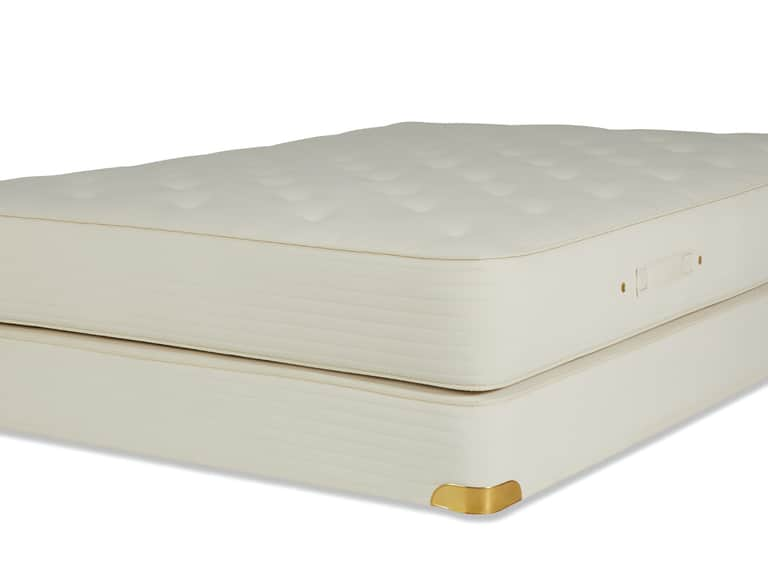
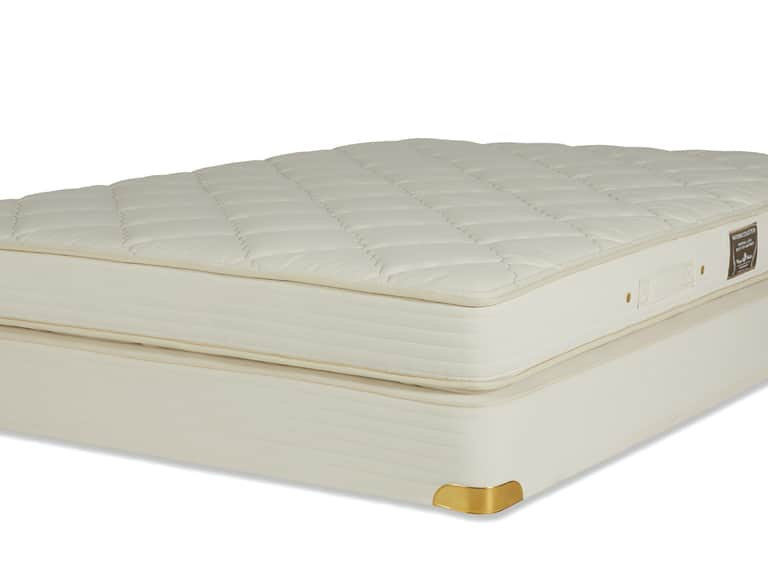
For readers seeking a concrete model to consider, the Royal-Pedic Natural Collection Cotton Mattress offers a glimpse into the premium end of the spectrum. While this model is not latex-only, it embodies many principles associated with natural, high-quality materials: long-staple cotton, Swiss-designed springs, and a commitment to chemical-free comfort for those with sensitivities. It serves as a reminder that the market offers a range of responses to sleep needs—some centered on latex, others on a broader natural-material philosophy.
The important takeaway is this: longevity arises from a thoughtful blend of material purity, engineering, and the fit between a mattress and its user. A mattress that feels superb in the showroom may still outshine others years later if it remains aligned with your evolving sleep patterns, posture health, and microclimate preferences.
Three Key Figures Across Time: Voices That Shaped Sleep and Comfort
The history of sleep science and mattress design is not a straight line but a constellation of voices. From nineteenth-century craft to contemporary lab-informed practice, three figures offer a throughline: a pioneer of ergonomic thinking, a mid-century materials innovator, and a modern sleep-science communicator.
1) Florence Nightingale (1820–1910): The Nightingale Principle of Sleep Hygiene
Nightingale is best remembered for her reforming zeal in healthcare, but her influence extended into the realm of nighttime well-being that touches bedding indirectly. Her insistence on environment—clean air, proper temperature, and the lighting of spaces—became a prototype for later sleep hygiene principles. In a modern latex conversation, her legacy reminds us that a bed is part of a broader ecosystem: climate control, quiet, and a calm space all contribute to restorative sleep.
Her ethos invites readers to think beyond the mattress as an isolated object. The most durable sleep systems emerge when a bed operates within a well-considered room: breathable textiles, appropriate bedding, and thoughtful design choices that keep the sleeper at ease.
2) Robert H. Hooke (1635–1703): The Early Investigation of Structure and Resilience
Though known for his work across many scientific domains, Hooke’s investigations into springs, materials, and resilience underpin modern foam and latex dynamics. The idea that a material’s support depends on its internal structure, density, and reaction to load remains central to latex mattress design. The concept of a mattress as a layered system mirrors Hooke’s affinity for analyzing the interplay between form and function.
In present terms, Hooke reminds us to examine how a latex core distributes weight and how the surrounding layers contribute to the whole—a reminder that even centuries-old curiosity can illuminate contemporary comfort.
3) Dr. Elena Navarro (b. 1960s): Sleep Architecture and the Evidence-Based Era
A contemporary figure in sleep science, Dr. Navarro epitomizes the shift toward evidence-based evaluation of sleep environments. Her work emphasizes how circadian rhythms, body position, and microclimate intersect with mattress design to influence sleep quality. Her perspective anchors the article’s emphasis on credible claims, measured testing, and transparent sourcing.
The modern mattress buyer benefits from the Navarro-inspired approach: asking precise questions about mattress materials, testing methods, physiological responses, and the durability of comfort—before committing to a purchase.
Together, these voices create a lineage that helps readers appreciate the continuum from empirical room design to the nuanced, material-based engineering of latex mattresses. They remind us that comfort is not merely a feeling that arrives in a showroom—it's a synthesis of environmental design, material science, and patient, ongoing observation of how a night’s rest unfolds over time.
Conclusion: A Thoughtful Path Through Natural Latex
Natural latex mattresses offer a compelling blend of bounce, contouring support, and durability when chosen with care. The most successful options arise from cores that balance Dunlop or Talalay processing with high-quality organic covers and robust, compatible foundations. Certifications matter, but so does the fit between the bed and the sleeper’s habits, posture, and climate.
As you navigate product pages, consider the whole sleep ecosystem: the materials, the manufacturing philosophy, the testing and certification story, and the expected lifespan. The goal is not a single-night sensation but a durable, scientifically informed relationship with your bed—a partnership that helps you wake refreshed, pain-free, and ready to step into the day with quiet confidence.
For readers who want to explore in a concrete way, the Royal-Pedic Natural Collection Cotton Mattress (Dr.'s note required) embodies a philosophy of old-world craftsmanship and long-staple materials, reminding us that the intersection of luxury and natural materials has a long and storied history. While this model is not latex-only, it embodies the same conviction: a mattress should be anchored in material integrity, thoughtful design, and a respect for the sleeper’s well-being.
If you’d like, I can help map out a draft site structure for an educational resource, including a content calendar, and a starter list of 10 article ideas with outlines, drawing from the themes discussed here.
The Royal-Pedic Natural Collection Cotton Mattress is featured here not as a direct endorsement but as an exemplar of how a brand can align with natural materials and traditional craftsmanship. It showcases a commitment to long-staple cotton, Swiss-inspired spring technology, and a tailoring approach that treats each mattress as a bespoke piece. In a marketplace crowded with rapid-fire claims, such a product stands out for its insistence on provenance and a non-toxic philosophy.
A luxurious standard for chemical-sensitive sleepers, built with pristine long-staple cotton and a Swiss-designed spring system. The model emphasizes orthopedic firmness and a careful balance of support layers, crafted to endure.
Note: This mattress requires a doctor’s note due to its non-wool fire barrier approach. Availability and specifications should be confirmed with the seller.
The product example above illustrates how a brand can anchor a line in detailed material storytelling. In contexts like Oxford Mattress, a site committed to evidence-based education can help readers interpret such offerings with clarity—distinguishing between marketing claims and verifiable material science.
Key Takeaways
Natural latex mattresses vary by processing method (Dunlop vs. Talalay). Each method yields distinct feel profiles and durability characteristics.
Pure natural latex should be accompanied by credible certifications and transparent composition details to support health and environmental claims.
The mattress is part of a broader sleep ecosystem—foundation, cover materials, room climate, and sleep hygiene all influence long-term comfort and durability.
Luxurious Royal-Pedic comfort without wool, ideal for chemical sensitivities, with pure long-staple cotton and orthopedic support. Swiss coil system, edge-to-edge stability, and optional latex toppers for personalized pressure relief. Call for details.
Experience cloud-like support with natural latex, wool, and cotton that cushions, temp-regulates, and resists mold. Flexible base options, handcrafted in the USA, for lasting luxury and effortless, balanced comfort all night.
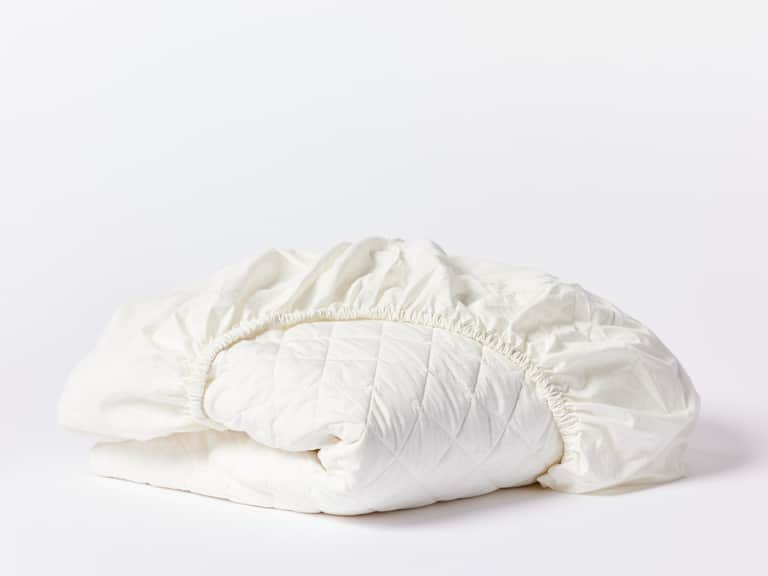
Pure organic cotton mattress pad for everyday luxury, with secure 15-inch pockets and 2-inch quilted squares for a smooth, lasting fit—certified clean, machine washable, and toxin-free for peaceful, comfortable nights.